


Insult/ Guilt/ Criticism
Insult:
Insult is a rude way to react, no matter who you are, at some point, you will feel insulted by the remarks of others. You do not have control over what people say to you, but you can control how you react. Insults can easily make you feel like the spotlights on you, or that you are being attacked. Strive to effectively cope with being insulted by taking a moment to collect yourself, first doing this ensures that you do not insult the person back which could tarnish your reputation.it also allows you time to really think about the insult and determine the underlying motive behind it.
Guilt:
Feelings of guilt arise from betraying your own rules for ethical behaviour. If these rules belonged to someone else, you’d be guilt-free. But if, however unconsciously, you’re affiliated with these blameworthy standards—or perhaps, in growing up “imbibed” them from your family—you’ll be vulnerable to this self-tormenting emotion.
Criticism:
A sensitivity to criticism may lead an individual to be negatively impacted by any criticism, even when that criticism is constructive and intended to be helpful. Criticism can sting in any situation, whether the individual criticized believes in the truth of critical comments or knows such comments to be false. Many individuals can consider and integrate helpful criticism and experience no lasting effect from it. Experiencing anxiety, depression, anger, shame, or extreme defensiveness when faced with criticism may indicate a high level of sensitivity. When one finds it difficult to cope with criticism or finds oneself constantly revisiting an instance of criticism, it may be helpful to address this sensitivity with a counselling professional.

Self-esteem issues
We all have feelings of inadequacy now and then. However, a constant state of feeling low about yourself is of concern. We help you channel through the lows of not feeling/looking/ being good enough through empathic listening.

Trauma of the past
The past can be hard to let go of. It may not seem evident, however, our subconscious can retain memories of the past and pose challenges in the present.
Upsetting events such as death, letting go of people, failure in career or personal life can be difficult to let go of. There are ways to address the lingering effects of the past. We help you explore these unresolved feelings.

Stress and its emotional effects
Stress can lead to secondary emotions. Have you caught yourself being angry, sad or disappointed for no reason? Have you had emotional outbursts and mood swings? Stress can reduce your patience and tolerance. It can lead you to react over the most trivial of things,leaving you surprised at your reactions. Chronic stress leads to feelings of helplessness and frustration. It may lead to depression. Not only lowering your stress levels with activities, but also, talking to our experts will help you manage your concern effectively.

Negative Attitude/ Sleepless Nights
A negative attitude carries with it a lack of awareness. You’re not necessarily aware of a negative attitude permeating your outlook on life, and because of this lack of awareness, your attitude affects your interactions with other people and your interactions with yourself.
What if you were to become aware? What if, suddenly, you were able to step outside of the thought pattern that creates your attitude, choose a new pattern, and thus, a new attitude?
Changing your attitude is not about stifling or eliminating negative thoughts. It’s about changing your thought patterns through action.
Negative thoughts will arise, but when you brood on them it’s like feeding and rewarding them so that they will come back again and form a pattern.
When you alter repetitive thought patterns, you alter your attitude — it’s a physical process, and with it comes the ability to change the world in which you live. You’ll achieve things you didn’t think were possible before.
To undertake this change, understand what to do with negative or unhelpful thoughts when they arise. This understanding will help you take action towards changing your attitude.

Failed relationships
This involves both romantic and non-romantic relationships. Arguments between siblings, arguments between parents and child/children, between a couple, although normal, can, in excess, cause mental health decline. If you feel alone despite being with them, if a simple conversation turns to a fight constantly, you need to reconsider if this is just a rough patch or a call for help.

Difference of Opinion
Differences of opinion are normal in relationships and can foster deeper understanding and growth between individuals. While it can be difficult to keep an open mind, particularly when we feel passionate about a subject, listening to another person and empathizing with their situation, even while not always agreeing with their point of view, allows us to gain a deeper understanding of ourselves and others. The benefits to being open-minded can be numerous, including better problem solving skills, better coping skills and reduced stress.
Positive agreeing to disagree occurs when individuals recognize that further conflict would be unnecessary, ineffective or otherwise undesirable. While unresolved disagreements can lead to charged conflict between people, agreeing to disagree allows us to feel closer and can also lead to an increased understanding of one another because it requires us to hear the other point of view. When viewed from this perspective, agreeing to disagree can be view as affirmative. It provides the opportunity to foster our own growth and develop a diversity of perspectives. Having access to a greater variety of viewpoints inevitably results in more options and more flexibility for the current issue and for issues that come up in the future. It also allows us to let go of anger, especially about things that cannot be controlled or changed, instead of silently resenting the other person.
We can’t always change the opinions of others and shouldn’t feel obligated to do so. Being open-ended in the face of disagreement can teach us to be better listeners as well as more accepting of differences. It does not mean you’re giving in, but rather allows us to let go of some things, which is an important relationship skill.

Religious/ Inter-cast Marriage
Are you unable to communicate with your partner?
Have there been frequent fights lately?
Feel like something is missing?
Confused whether to hold on or move on?
Sometimes we can love a person and still be toxic for them due to our past experiences, unresolved insecurities, distorted patterns of thinking, ideas of relationship, anger issues, controlling behavior etc.
For healthy relationships we need to learn
– skills of open communication
– conflict resolution
– unconditional Acceptance and Forgiveness etc.
Couples can feel apprehensive about initiating professional counselling as it would mean acknowledging the difficulties that their relationship is experiencing. Some are not able to identify where things might be going wrong for them and end up increasing the problems due to miscommunication, fights, emotional blackmail, cheating or violence etc.

Depression caused due to Family
Acknowledge that there may be a reason behind their feelings that has nothing to do with you. There are lots of reasons that a person may not be able to understand a condition like depression. Their behavior towards you may be deeply ingrained and automatic and have nothing to do with you as a person.
Perhaps they grew up in an environment where they were taught that it was unacceptable to show vulnerability. Or perhaps their thoughts are influenced by the persistent and problematic stigma surrounding mental illness.
Sometimes unsupportive family and friends just need education about your depression so they can better understand what you are going through.

Abuse
Abuse is traumatic be it verbal or physical. While physical abuse leaves scars visible to the eye, any form of abuse leaves an indelible mark on your soul and your mind. These traumatic experiences need to be handled over a period of time and definitely calls for healing. Long term, these can lead to psychological concerns and can even be damaging to health. Post traumatic stress disorder that arises due to abuse as well can be distressing and debilitating.
We help you through proven techniques to navigate through your worries.

Emotional/ Social Development
Children’s social and emotional health affects their overall development and learning. Research indicates that children who are mentally healthy tend to be happier, show greater motivation to learn, have a more positive attitude toward school, more eagerly participate in class activities, and demonstrate higher academic performance than less mentally healthy peers. Children who exhibit social and emotional difficulties tend to have trouble following directions and participating in learning activities. Compared with healthier peers, they may be more likely to suffer rejection by classmates, have low self-esteem, do poorly in school, and be suspended. Thus, children’s social and emotional health is just as important as their physical health, and affects their capacity to develop and potential to lead a fulfilling life.

Physical/ Sexual Abuse
What is sexual abuse?
Sexual abuse is an abuse of power. It involves sexual activity forced on a child by either an adult or an older, more powerful child. Sexual abuse interrupts normal sexual development in children and forces them to deal with intensive thoughts, feelings and experiences they are not ready for and that are often overwhelming, emotionally, psychologically and physically. Because the victims are powerless to stop the abuse and aren’t old enough to understand what is happening, they may suffer emotional damage even if there’s no physical damage. Sexual abuse can occur without intercourse or sexual touching. Exposure to adult sexual material such as movies, pornography or sexual activity may be damaging. The abuser causes further emotional damage to children by making them keep the abuse a secret. The shared secret then becomes a source of isolation and shame and this undermines the child’s sense of self-worth and their ability to reach out and get help.
You may have heard the term “Post-Traumatic Stress” (PTS). It is a description of a person’s normal reaction to an out-of-the ordinary, very stressful experience, such as witnessing or experiencing violence, abuse, war or natural disasters. Children who experience repeated trauma or abuse are at risk of developing PTS. The degree of PTS is related to the seriousness of what happened to them, whether the trauma was repeated or not, and the relationship to the person causing the abuse. A child (or adult) who is experiencing PTS may be agitated, confused, acting-out, or seem numb, forgetful, depressed, withdrawn or “spaced-out”. Children will need help to begin to feel safe in their world again and to help them recognize and deal with their feelings about what has happened to them.
How does sexual abuse affect children?
Children who have been sexually abused often continue to suffer even after the abuse has ended. Some of the psychological harm will be obvious to family members, but some of it won’t.
The effects of abuse may take these forms:
Confusion: Children may have many mixed up feelings about what happened to them and about what happened after they told, depending on the reactions of family and friends.
Guilt: Children may feel guilty, believing they are in some way responsible for the abuse.
Shame: The guilty secret may make them feel worthless.
Fear: If the abuser has told them that something terrible will happen if they reveal the secret, they may be afraid.
Grief: Children may stop seeing the world as a safe and friendly place. They may mourn the loss of their sense of innocence and freedom. They may also mourn the loss of the relationship with the abuser if there had been a close bond between them.
Anger: They may feel intense, and often uncontrollable anger. Because they can’t strike back at the abuser, they may lash out at another person — often the mother, for not seeing what was happening to them, for not stopping the abuse or for not protecting them. Or they may hurt themselves, others or a pet.
Helplessness: Because they felt helpless at the time of the abuse, they may feel unable to resist sexual abuse in the future.
Depression: They may seem sad and less playful. They may lose interest in school, friends and activities.

Problem with School/ College Life
School counselling takes place in public and private school settings in grades K-12. Counselling is designed to facilitate student achievement, improve student behavior and attendance, and help students develop socially. Mental health professionals with master’s degrees or beyond, counsellors both provide counselling and serve an educational role in and around schools. Many schools have and or need full-time counsellors on staff in order to support students who are experiencing personal or academic challenges, help students choose careers and plan for college, and intervene when students face behavioral, physical, or mental health challenges.

Addictions
Addictions are a coping mechanism. They are generally ways to soothe and calm oneself. Addiction is almost a form of slavery. Any form of addiction is hard to stop. Substance abuse or any behavior that is addictive often has a negative impact both on the person and people around them. People often lose control and the path to rehabilitation can be filled with struggles.
We help address the root cause of addictions and support you on your journey to wellness.
Behavioral Problem
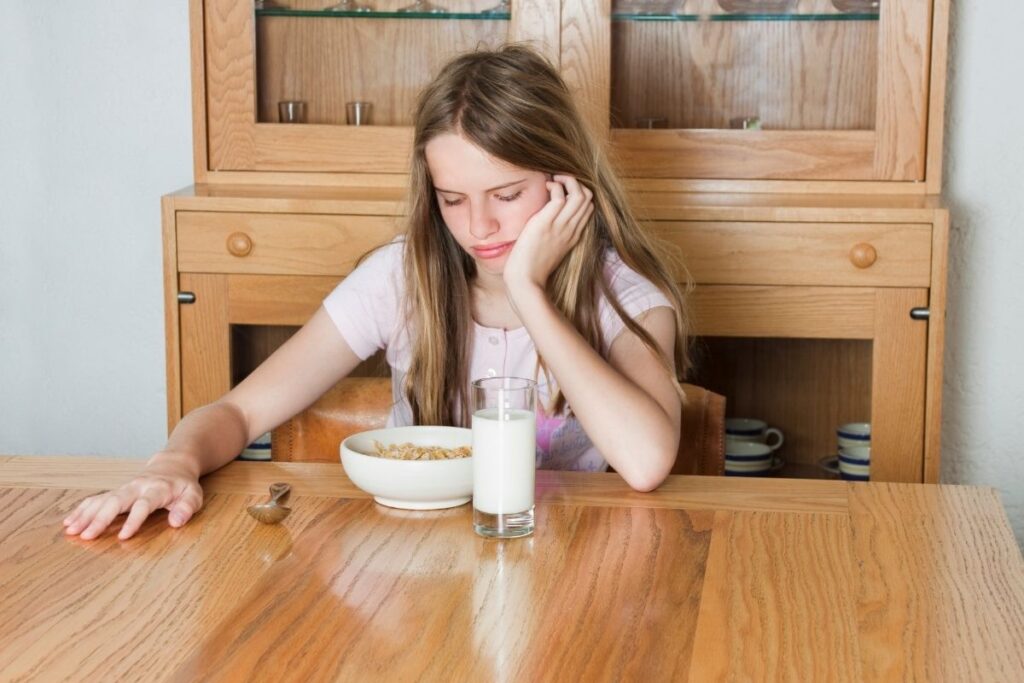
ADD, ADHD and other learning or behavioral issues are never a child’s fault. A child irritation and difficulties are often reprimanded. Instead of giving them love and attention, parents often punish the kids. Learn to recognize the signs and patterns, help your child through their difficulties.

Self-esteem or Self-image issues
Thanks to social media, we all seek perfection, especially in the way we look. We strive for being the best in all areas of life. This attitude can be motivating. However an obsession with the same ends up leaving a negative impact. It can lead to low self-esteem, feeling of unworthiness, attention seeking tendencies and body dysmorphia. There are healthy ways to stay confident and at the same time work towards being a better person.

Negative Attitude
It is not uncommon for a workplace to have one or two employees that are known for their negative attitude towards their jobs. Unfortunately, the negative attitude exuding from just a couple of members of staff can have a negative impact upon the entire workforce and even the success of the business. Given enough time, this kind of attitude could cause irreparable damage, resulting in other members of staff leaving the company, as well as customers choosing to take their business elsewhere. For this reason, it is a good idea to address any concerns over an employee with a negative attitude as soon as you can, to reduce the impact it has one everyone else around them.

Difficulty in Handling Business
Growing businesses face a range of challenges. As a business grows, distinct problems and opportunities demand various solutions – what worked a year ago might now be not the best methodology. All too often, avoidable mistakes turn what could have been a great business into an also-ran business.
Recognizing and overcoming the common pitfalls associated with growth is essential if your business is to continue to grow and thrive. Crucially, you need to ensure that the steps you take today don’t themselves create additional problems for the future. Effective leadership will help you make the most of the opportunities, creating sustainable growth for the future.

Blaming Yourself
It’s important for us to take responsibility for ourselves. Often, we want to be fully aware of how we contribute to our own difficulties. After all, if we don’t reflect on our personal limitations, we deprive ourselves of important opportunities to change and grow.
However, sometimes we become too prone to criticizing and blaming ourselves. Consequently, we sometimes end up overplaying our negative role.
If this is your pattern, you might be wondering why you do this, and feeling helpless to break your unproductive pattern.
Thankfully, there are concrete things that can be worked with a psychologist.

Never or Always
People often use the words “always” or “never” to emphasize what the statement they’re making. In everyday speech, as when someone says that “he always says that” or “this type of dress never fits me,” these words are usually understood to not be completely literal. But this speech – whether said to others or said to oneself – can have consequences.
Using extreme words to describe oneself can cause all-or-nothing thinking. Using extreme words to communicate to someone else, like a partner, can detract from the ability to communicate effectively. Learning to control this language and this style of thinking is important for improving relationships and building self-esteem.
Problems with All or Nothing Communication
Intentionally or unintentionally, “Always” and “Never” can contribute to all-or-nothing, black and white thinking. This type of thinking is harmful because it interprets situations in inaccurate extremes. Few aspects of life are “always” or “never” anything. One example of the damage extreme thinking can cause is the discrediting of accomplishments by yourself or others. With this kind of thinking, if your goal was to lose 15 kgs in 6 months but you only lost 10, you’d consider the whole effort a failure.
Some people genuinely think in extremes, and this can damage self-esteem. But others know that they’re speaking with extremes and do it anyway. The problem is that this type of communicating can still downplay or alter how you see yourself and your past.
For example, imagine that you only like the way you look in hats 50% of the time. If you start to tell people or yourself you “never look good in hats,” even if you’re not serious, it will still cause you to rethink your past as though that percentage is lower – 30% of the time, or even 10% of the time. Eventually, you’ve changed your own perspective on this issue simply by the language you used to describe it.
Extreme Words with Your Partner or Co-workers
Extreme words like “Always” and “Never” can also hurt others. When talking to relationship partners, for example, using these extreme terms to prove your point immediately puts someone else on the defensive, and downplays or ignores the work that they did (or did not) do. “You ALWAYS leave the lights in the house on” can hurt someone if they only forget once in a while. So little in a relationship is “Always” or “Never,” and that language can damage you and your relationships.
How to Control Extreme Language
The first step towards controlling these issues is to do your best to take those words out of your vocabulary, especially if describing something negative. If you tend to think in these black and white absolutes, consider the following:
- Considering Alternatives – This kind of thinking can leave you feeling trapped between two choices, neither of which work well for you. If this is the case, you can remind yourself that there’s probably another option you haven’t considered yet.
- Thinking In Percentages – Instead of writing off something as bad because there was one bad aspect to it, try thinking of that bad part as a small part of the larger whole. For example, if you answered two questions out of ten badly during a job interview you still did an 80% good job, which means the whole thing wasn’t a disaster.
- Practicing Positive Thinking – This is sometimes misunderstood as not allowing yourself to feel upset or consider a situation to be negative at all. What it should mean is counterbalancing extreme thinking, which tends to be largely negative, by focusing on positive aspects of something as much as possible.
- Remembering Exceptions – Even if your partner only sometimes remembers to do the dishes, remembering those exceptions can go a long way towards improving your perception of and relationship with them. Expecting and acknowledging only negatives of others leaves no room for positive change. Try to focus on the exceptions before discussing the issue at hand.
Using “always” or “never” when expressing our feeling about ourselves and others just continues a cycle of neglecting the positives. This makes it harder to build relationships with others as well as confidence in yourself. For more information on building self-esteem or couples counselling on Long Island, contact Long Island Psychology today.